Coastal Roof Maintenance: Protecting Your Home from Salt and Wind
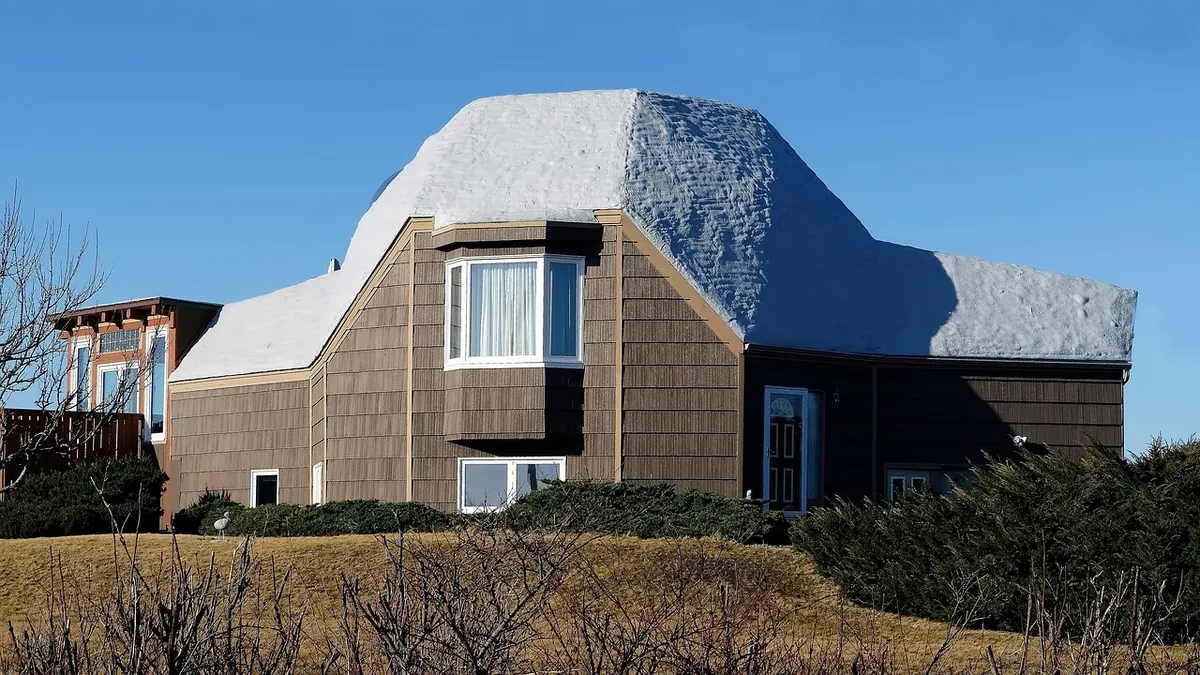
If you live within a mile or two of the sea, your roof is working harder than the one three streets inland. Salt arrives on the wind, settles on tiles, fixings and guttering, then dries into a fine white film that quietly attacks metal. The wind comes back and tests every nail, ridge tile and length of flashing you own.
Coastal roofs rarely fail overnight. They fail in a fairly predictable order, and once you know that order, maintenance becomes a question of timing rather than luck.
What Salt and Wind Actually Do
Salt spray
Salt doesn't just sit on the surface. Dissolved in airborne moisture, it works its way into joints, under flashings and around fixings, then stays there. When it dries it crystallises, and repeated wet-dry cycles gradually break down mortar and coatings. Metal suffers first: galvanised nails, steel screws, aluminium soakers and valley linings corrode noticeably faster in a coastal postcode.
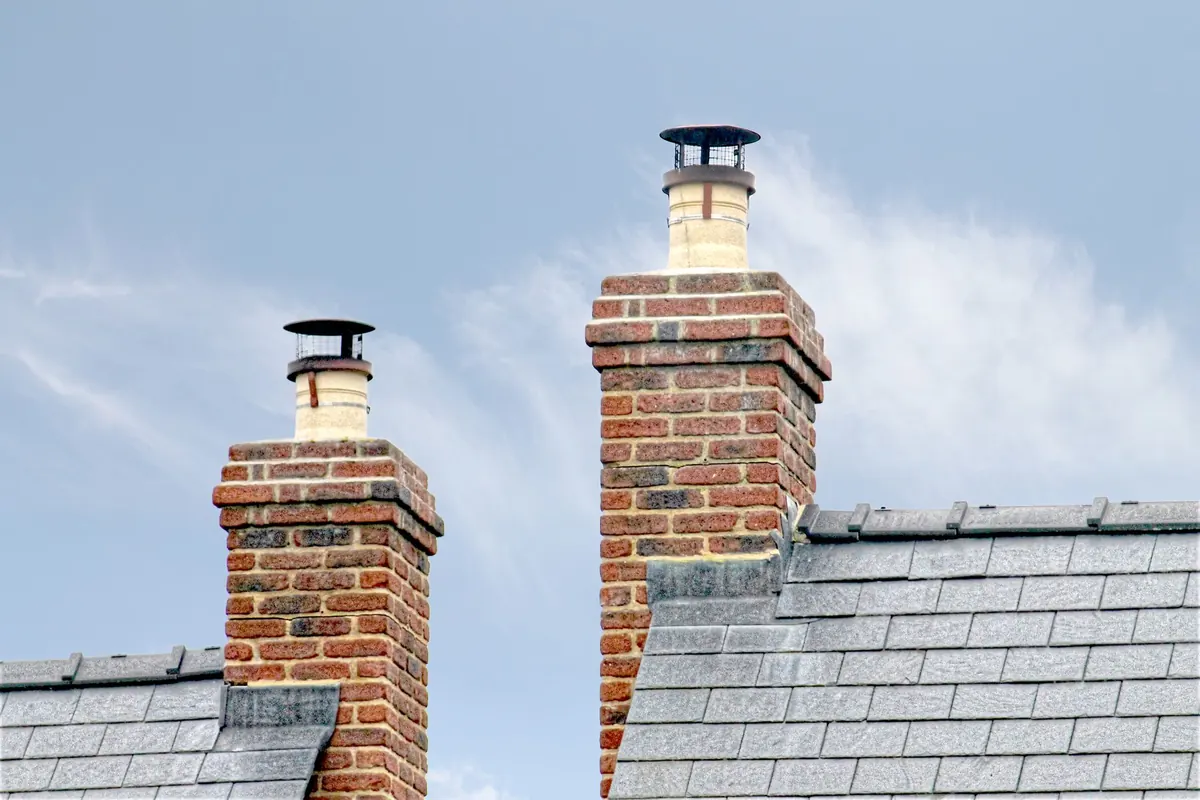
Porous materials absorb salt too. Brick and stone can draw in salty moisture, which expands when it freezes and flakes the surface away. That's why chimney stacks near the sea often look older than the rest of the house.
Wind and wind-driven rain
Strong gusts do two things at once. They physically lift and shift anything loose, and they push rain sideways and upwards, into places water would never reach in still air. On an exposed slope, rain can be driven under overlapping tiles and through cracked mortar beds. Over time, fixings fatigue rather than snap, which is why a roof can look fine right up until the first proper gale.
Why Exposure Varies Along the Same Stretch of Coast
Two houses a mile apart can have very different experiences. What matters is how much salt and wind actually reach the roof:
- Distance and height. A house on a headland or clifftop takes far more spray than one tucked behind a hill.
- Prevailing wind. In much of the UK, the south-westerlies do the damage, so south- and west-facing slopes weather first.
- Shelter. Trees, neighbouring buildings and even a raised embankment cut wind speed and salt load.
- Roof pitch and overhang. Low-pitched roofs with shallow overhangs are more vulnerable to wind-driven rain reaching the underlay and loft.
- Building height. The higher the roof, the more wind it catches.
Look at your own roof after a blow. If you can taste salt on your lips in the garden, it's landing on the tiles as well.
A Twice-Yearly Inspection You Can Do From the Ground
You don't need to get up there. Spring and autumn are good times, plus a check after any named storm. Binoculars, a notebook and a torch for the loft are enough.
- Ridge and hip tiles. Look for cracked or missing mortar, tiles sitting proud, or gaps opening up along the line.
- Slipped and cracked units. Check the windward slope especially. A single slipped slate lets water straight onto the underlay.
- Verge mortar and gable edges. Coastal wind eats these edges faster than anywhere else on the roof.
- Flashings. Chimneys, dormers, soil pipes and parapets. Lifted lead, split seams or crumbling mortar fillets all need attention.
- Rainwater goods. Sagging gutters, blocked outlets, rust-stained brackets and water marking on the fascia.
- Chimney stack. Spalling brickwork, a cracked flaunching around the pot, or a cowl that has shifted.
- In the loft. Daylight around a chimney, rust streaks on timbers, damp patches on insulation, and stains on the underside of the roof covering.
- Ancillaries. Aerial brackets, satellite dishes and solar panel rails. Bolt fixings corrode quietly.
Write down what you see and date it. A simple record of your roof is genuinely useful when you're talking to a roofer, or to your insurer after a storm.
The Details That Fail First
Full re-roofs are rarely the first answer on the coast. Small components cause most leaks.
Fixings. When tiles or slates are re-nailed, specify stainless steel or hot-dip galvanised nails. Standard steel may be cheaper for a day, then costs you a decade later. This single choice makes the biggest difference on a coastal roof.
Flashings. Lead performs well in salt air, but exposed positions benefit from a heavier code and proper soakers rather than a mortar fillet alone. Avoid bare aluminium in a marine environment — it corrodes quickly.
Guttering and downpipes. Clear them at least twice a year; moss, grit and salt residue collect at outlets and cause overflow that rots fascias and stains render. uPVC handles salt reasonably well, and cast iron can be kept going with regular painting, but bare aluminium and untreated steel are poor choices near the sea.
Dry systems. Dry-fix ridge and verge systems, which use mechanical fixings rather than mortar beds, hold up better in exposed positions and rarely need re-pointing.
Moss, Algae and Salt Residue
Coastal doesn't mean moss-free. North-facing slopes, shaded valleys and the area under trees still grow moss, and salt spray leaves a dull film that traps dirt. Moss holds moisture against the roof covering, blocks gutters and, in a hard winter, freeze-thaw at the edges can lift tiles.
Remove growth gently with a soft brush or plastic scraper. Avoid pressure washing: it strips the surface from concrete tiles and drives water under the covering. If you use a biocide, follow the label carefully, keep it away from plants, ponds and drains, and don't let it run into gutters you haven't cleared.
Skip sealants and coatings on a roof that's already damp or overdue for repair. Sealing moisture in causes more harm than good.
Preparing For and Recovering From Storms
- Before the season. Clear gutters and check downpipe shoes. Secure or remove loose ridge tiles, and check aerial fixings.
- Check your cover. Read what your buildings insurance actually includes for storm damage, and keep photos and receipts. If the wording is unclear, ask your insurer or broker before you need to claim.
- During the storm. Stay off ladders. Note where water appears and when, which helps enormously in tracing the cause later.
- Afterwards. Inspect from the ground with binoculars. Photograph anything that has moved or broken before temporary repairs go on.
- Be wary of cold callers. Storm damage attracts opportunists. Get two or three written quotes and never pay in full up front.
When to Call in a Roofer
Small tasks — clearing gutters, brushing off moss, checking from the loft — are sensible DIY. Anything involving height, ladders, tile replacement, re-bedding ridge tiles, lead work or chimney repairs is not, particularly on a coast where gusts arrive without warning.
When you do get quotes, ask directly: will you use stainless or hot-dip galvanised fixings? Can this be repaired rather than replaced? Are you insured for working at height? A good roofer will tell you when a repair is enough, and a written quote should list the materials rather than just a figure.
If you spot movement in a chimney, water reaching the loft, or cracked render around a stack, deal with it promptly and get professional advice — that kind of damage rarely settles down on its own.
Living by the sea is worth the extra attention. A walk around the outside of the house twice a year, a cleared gutter and the right fixings will keep the roof above your head earning its keep for decades.