How to Fix a Leaking Roof: A Step-by-Step Guide for UK Homeowners

Rain has a talent for finding the one weak point in a roof. You notice a brown ring spreading across the bedroom ceiling, or a drip landing in a saucepan at two in the morning, and the whole house suddenly feels fragile. The instinct is to grab a ladder and attack the first thing that looks wrong. Resist it for a moment. Most leaks are located by careful detective work rather than by climbing, and whatever you do tonight will almost certainly be temporary. Here is how to handle it.
Find the Source Before You Fix Anything
Water rarely drips straight down from the point where it got in. It runs along battens, rafters, underlay and the backs of tiles, then finds the lowest point it can and falls there. The damp patch on your ceiling tells you where water is collecting, not where the roof is broken.
Get into the loft with a torch, ideally while it is raining or shortly after. Look for dark streaks on rafters, wet patches on the underlay, daylight between tiles, and drips running along timbers. Then work uphill from the drip, following the trail backwards until it stops.
Where leaks usually start
- Cracked, broken or missing tiles and slates, especially after a windy night.
- Slates that have slipped sideways or dropped out of line.
- Failed mortar or perished lead flashing around a chimney, valley or abutment.
- Blocked gutters and valleys, causing water to back up under the eaves.
- Cracked or lifted ridge and hip tiles.
- Torn or sagging underlay where water gets past the covering above.
- Nail fatigue on older slate roofs, where fixings have rusted through.
Know When to Stay Off the Roof
A wet or frosty roof is a serious hazard, and moss makes tiles behave like ice. Ladders need firm, level ground, a safe angle and, ideally, someone footing them. Look up before you do anything: overhead cables, weak gutters and fragile plastic fascia all cause accidents.
If your house is more than one storey high, the pitch is steep, or the weather is anything other than dry and still, leave it alone. A fall from gutter height can change your life in seconds, and no dripping ceiling is worth that risk.
It is also worth checking whose roof it is. In a flat or a leasehold property, the roof is often the freeholder's or managing agent's responsibility rather than yours. A quick look at your lease or a call to the agent can save you time, money and an argument.
Contain the Damage Inside First
While you work out the cause, stop the water making things worse.
- Move furniture, rugs and anything electrical clear of the drip, and lay dust sheets or old towels down.
- Put a bucket underneath, and a second one in the loft where the water is running.
- If the ceiling bulges with trapped water, switch off the lighting circuit for that room at the consumer unit.
- Make a small hole at the lowest point of the bulge with a screwdriver and let the water drain into a bucket. It feels counterintuitive, but relieving the pressure often saves the whole plasterboard ceiling from coming down.
- If a bulge is large or the ceiling sags noticeably, keep everyone out of the room and call a professional.
Once the drip is under control, ventilate the room and dry it out as quickly as you can. Damp plaster and timber left wet will encourage mould, and prolonged damp in a loft can rot timbers. If anyone in the house has asthma or another respiratory condition, or if mould has already taken hold, seek proper advice rather than simply painting over it.
Temporary Repairs You Can Do Yourself
Anything you can do from ground level, from a window, or from a secure platform inside a dormer is fair game. Everything else belongs to a roofer with a harness and proper access equipment.
Useful kit to have ready:
- Torch or head torch, gloves and eye protection.
- Self-adhesive flashing tape, which sticks to clean, dry surfaces.
- Roofing-grade silicone for small, static gaps.
- A gutter scoop, bucket and refuse sack.
- Polythene sheeting with battens or sandbags to weight it down.
Clean the area first. Tape and sealant will not stick to moss, dust or a wet surface, and a patch that peels off in the next downpour has wasted your time and money.
The most common quick wins:
- Clear the gutters. A surprising number of "roof leaks" are overflowing gutters sending water down a wall or under the eaves.
- Re-seat a slipped slate or tile if you can reach it comfortably. Do not force anything that will not move easily.
- Tape over a cracked tile or failed flashing joint, pressing it down firmly and overlapping the edges.
- Seal small gaps around a flashing with roofing silicone, using a generous bead.
- Cover a section with polythene if the damage is widespread, weighting it down so it cannot flap. It is a short-term measure only.
On a flat roof, a self-adhesive patch over a split or blister can buy you time, but standing water will work its way under the edges. Book a proper repair.
Getting a Roofer In
Temporary repairs have a shelf life. Tape lifts, sealant cracks, and a slipped slate lets in more water every time the wind changes. Aim to have a professional out within a few weeks, sooner if more rain is forecast.
Before they arrive, photograph the damage from the ground, inside the loft and around the stain. Note when the leak started and what the weather was doing. A roofer who can see the evidence will diagnose it faster.
When you ask for a quote, expect a written one with a breakdown of materials and labour. Ask whether scaffolding or a tower is needed, what guarantee comes with the work, and whether the
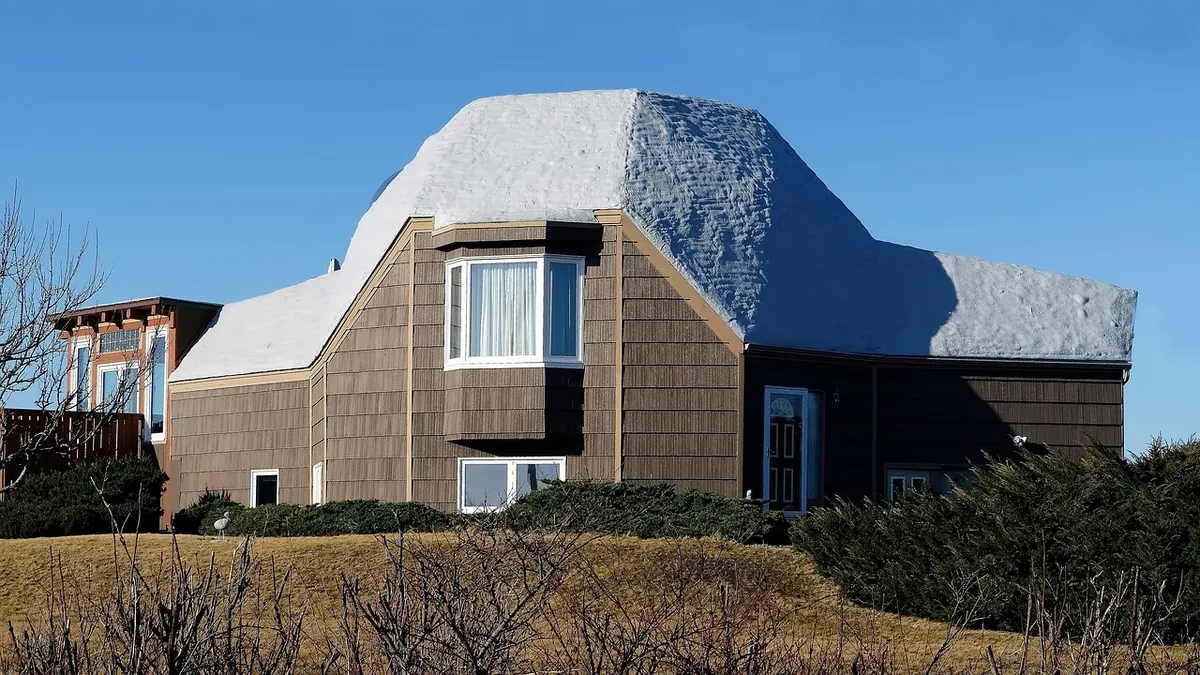
Photo: ClickerHappy / Pixabay