The Ultimate Roof Maintenance Checklist for British Weather

Your roof is the one part of your home that never gets a day off. Between Atlantic gales, sideways rain, frost that finds every hairline gap, and summer sun that bakes mortar until it crumbles, British roofs earn their keep. Most problems announce themselves quietly — a stray tile in the flowerbed, a brown stain spreading across a bedroom ceiling, a gutter that drips in the same spot every time it rains — long before they turn expensive.
The trick is to work with the seasons rather than waiting for a leak to force your hand. Here is a practical rhythm you can follow through the year, with the checks that matter most and the jobs best left to someone with ladders, harnesses and insurance.
Spring: The Post-Winter Once-Over
Winter is the test; spring is the marking. Once the worst of the weather has passed, walk around the property and look up. From ground level you can spot a surprising amount: slipped slates, ridge tiles sitting proud of the mortar, a sagging gutter line, moss that has visibly thickened over the winter.
Look for these in particular:
- Missing or cracked tiles and slates — check the garden, driveway and any flat roof below for fallen pieces.
- Ridge and hip tiles — hairline cracks in the mortar are common after repeated freeze-thaw cycles.
- Flashing — the lead or mortar around chimneys, dormers and soil pipes should still be tight and dressed into the wall.
- Gutters and downpipes — sagging brackets, joint leaks, or water staining on the fascia behind them.
- Interior signs — damp patches, peeling paint or musty smells in upstairs rooms and the loft.
How to inspect safely
Binoculars from the garden, plus a look out of upstairs windows, will cover most of the roof. Never walk on a wet, frosty or moss-covered roof, and avoid leaning a ladder against a gutter unless it is properly footed and tied off. If a check needs someone on the roof, that is a job for a professional rather than a Saturday morning experiment.
Summer: Cleaning, Moss and Guttering
Long, dry days make summer the best time for the messy work. Moss holds moisture against tiles, lifts them at the edges and eventually blocks gutters and downpipes. It also shelters the frost that does real damage in January, so clearing it is not just cosmetic.
Scrape moss off gently rather than attacking the roof with a pressure washer. High-pressure water strips the surface from concrete tiles and forces water under slates and flashings, creating the very leaks you are trying to prevent. If you need the roof treated, a soft-wash approach with a suitable biocide — applied by someone who knows what they are doing and takes care around plants and water butts — is a far kinder option.
While you are up there in spirit, clear gutters of leaves, grit and seedlings. Check that downpipes run freely by pouring a bucket of water into the gutter and watching where it goes. Trim back overhanging branches; they drop debris, rub against tiles in the wind and give squirrels and birds an easy route onto the roof.
Autumn: Get Storm-Ready Before the Gales
Autumn is the last comfortable window before the weather turns, so use it for the jobs that protect everything else.
- Clear gutters and downpipes one final time, after most leaves have fallen.
- Check and re-fix any loose flashing, especially around the chimney.
- Replace cracked or missing tiles before the first frost widens the damage.
- Clear the loft of stored clutter that blocks ventilation at the eaves.
- Check that loft insulation is not pushed into the eaves gap, which traps moisture against the roof timbers.
- Note any loose aerials, satellite dishes or chimney cowls so they can be secured.
If you can see daylight through the roof from inside the loft, water can get in — but the leak will rarely appear directly below the gap. Water travels along timbers and rafters before it drips.
Winter: Watch, Don't Wander
Winter is a season for observation, not maintenance. Stay off the roof. After a storm, check from the ground for slipped tiles, hanging guttering or debris against the walls. Heavy snow sitting in valleys and behind chimneys puts real load on a roof, so if you can clear it safely from a window using a roof rake, do so — but never climb up to shift it.
Inside, keep an eye out for damp patches that appear during cold snaps, and check the loft after storms for new daylight or water staining on rafters. Condensation on the underside of roof felt is common in winter and often mistaken for a leak; improving ventilation and sealing gaps into the house usually helps.
Small Repairs Worth Doing Immediately
Slates and tiles
A single slipped slate can let in a lot of water. If it is a straightforward replacement on a low, accessible roof and you have the right tools, it is a quick job. Anything higher, or on a fragile old roof, is best passed on — a wrong step costs far more than the repair.
Flashing and mortar
Small cracks in chimney mortar can be repointed while they are still cosmetic. Once water gets behind the flashing and into the loft, you are looking at stained ceilings, damp insulation and rot in the timbers.
Fixings and sealant
Replacing perished sealant around flues, vent pipes and dormer joints is cheap and quick. Do it in dry weather, cleaning the surface thoroughly first so the new sealant actually bonds.
When to Call in a Roofer
Call a professional for anything involving working at height without proper access equipment, any leak you cannot trace, work on fragile or historic roofs, and any job that requires scaffolding or a tower. Get two or three quotes, ask about insurance and guarantees in writing, and be wary of anyone who turns up unannounced after a storm offering to fix a problem you had not noticed.
Keep a Simple Roof Log
Keep a note of what you check, when, and what was repaired. A dated list with a few phone photos from the ground takes minutes and does two things: it shows you what is deteriorating slowly, and it gives any future roofer a head start. Roofs rarely fail without warning — they give you a season's notice if you are looking in the right places.
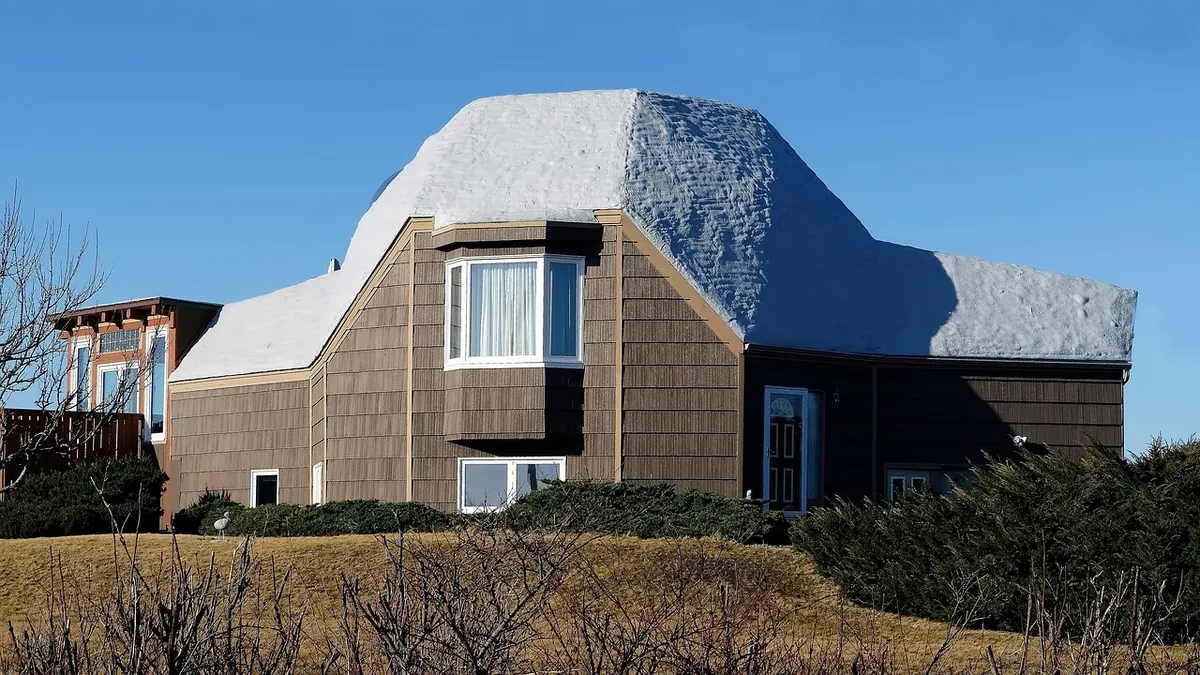
Photo: mrjerryjm / Pixabay